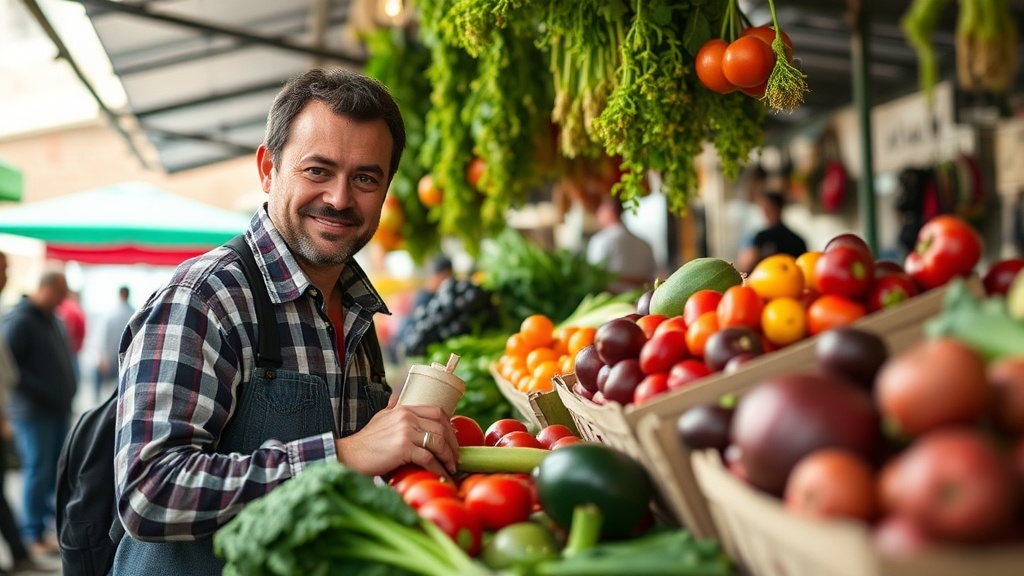
Navigating the Market Farmers Market for Seasonal Produce

Imagine standing in front of a vegetable stall in the middle of a humid July morning, staring at a crate of heirloom tomatoes and wondering if they're actually worth the premium price compared to the grocery store down the street. You want the freshest produce possible, but you don't want to waste your Saturday morning wandering aimlessly through the stalls. This guide provides a practical strategy for buying seasonal produce at the ByWard Market, focusing on timing, seasonal availability in Ontario, and how to identify quality-grade items from local vendors.
What is in season in Ontario right now?
Seasonal produce availability depends entirely on the current month and the local growing cycle in Southern and Eastern Ontario. If you visit in June, you'll find the first arrivals of strawberries and rhubarb; by August, you're looking at peak tomato and corn season.
The biggest mistake people make is expecting consistent availability year-round. A grocery store can source avocados from South America in January, but the ByWard Market is tied to the local harvest. When the weather turns cold, the selection shifts toward root vegetables and hardy greens.
Check the Ontario Ministry of Agriculture, Food and Rural Affairs for official data on crop cycles if you want to know exactly what the provincial agricultural output looks like for the current season. It's a way to ensure you aren't looking for strawberries in November.
Here is a rough breakdown of what to look for during the three main seasons in the Market:
| Season | Top Produce Items | What to Avoid |
|---|---|---|
| Spring | Asparagus, Radishes, Green Onions | Peaches, Melons, Corn |
| Summer | Tomatoes, Peaches, Corn, Berries | Root Vegetables, Hard Squash |
| Autumn | Apples, Pumpkins, Squash, Root Veg | Fresh Berries, Soft Stone Fruit |
When is the best time to shop the ByWard Market?
The best time to shop for the highest quality and best selection is early in the morning, specifically between 8:00 AM and 10:00 AM on Saturdays. This is when vendors have fully stocked their displays and the most delicate items—like berries or leafy greens—are still crisp and haven't been sitting in the sun for hours.
If you go later in the afternoon, you might find better deals, but you'll also find a lot of "seconds" (produce that is bruised or slightly damaged). If you're looking for the absolute best specimens for a dinner party, get there early. If you're just looking to stock up on heavy-duty items like potatoes or onions, mid-day is fine.
The crowds also matter. Saturdays are high-energy and loud. If you prefer a quieter experience, try a weekday morning. It's a much more relaxed way to chat with the farmers about their specific growing methods.
How do I identify high-quality produce?
You can identify high-quality produce by checking for firmness, color intensity, and scent. For example, a ripe peach should have a subtle, sweet aroma and a slight give when pressed—it shouldn't feel like a rock, but it shouldn't be mushy either.
Don't just grab the first bag of greens you see. Look closely at the stems. If you're buying kale or chard, the stems should be vibrant and not wilted or translucent. This is especially true for local-grown greens which can be sensitive to the heat of the market environment.
A few quick tips for specific items:
- Berries: Look for a deep, uniform color. Avoid any containers where the bottom layer looks juicy or moldy.
- Root Vegetables: Carrots and beets should feel heavy for their size and have firm skin.
- Leafy Greens: Avoid anything with slimy edges or yellowing leaves.
- Stone Fruit: The skin should be taut and free of significant bruising.
If you're a fan of local treats, you might notice the produce quality often mirrors the quality of the artisanal goods nearby. If you've already been finding the best maple treats in the market, you'll notice the same level of care in the produce stalls.
How much does seasonal produce cost at the market?
Prices vary significantly based on the specific item and the current harvest volume, but you can generally expect to pay a slight premium over large-scale discount grocery chains for top-tier, local items.
The price of a pint of blueberries in July will be vastly different from the price of a bag of apples in October. Because the Market relies on local farmers, you're paying for the shorter supply chain and the lack of long-distance transport. You aren't paying for a berry to be flown in from Peru; you're paying for one that was likely picked 48 hours ago.
One thing to keep in mind—and this is a big one—is that prices can fluctuate week-to-week based on weather events in Ontario. A heavy frost or a particularly wet spring can drive up the cost of certain vegetables instantly. It's not uncommon to see price changes between one week and the next.
A good rule of thumb for budgeting:
- Budget for the "Hero" items: Spend more on things like heirloom tomatoes or high-end berries that are at their peak.
- Buy staples in bulk: Items like potatoes, onions, and squash are often more affordable when bought in larger quantities.
- Watch the "End of Day" sales: Some vendors may lower prices on highly perishable items as the market winds down.
If you want to get a feel for the general vibe of the area before you head out, I've written the ultimate local's guide to exploring ByWard Market, which covers much more than just the food.
When you're out there, don't be afraid to ask the vendors questions. They actually like talking about their crops. Ask them how long the tomatoes have been on the vine or what the best way is to store those specific mushrooms. Most of the time, they'll be happy to give you a tip or two.
One thing to remember: always bring your own reusable bags. Most vendors prefer it, and it makes carrying your haul back through the streets much easier. It's also a small way to be a more conscious consumer in a local space.
Steps
- 1
Arrive Early for Best Selection
- 2
Bring Your Own Reusable Bags
- 3
Check for Seasonal Signage
- 4
Ask Vendors About Origin